Console Programming
A lighting console drives fixtures through stored states played back on time, and a few building blocks make up almost everything you do on one. Cues capture a complete look — levels, colours, positions — and replay it with programmed fade times. Palettes, sometimes called presets, store reusable values such as a particular colour, a focus position, or a beam shape; the power of a palette is that when something changes, you edit it once and every cue that references it updates automatically. Chases and the effects engine generate movement — sweeps, rainbows, ripples — from just a few parameters, rather than making you build every step by hand.
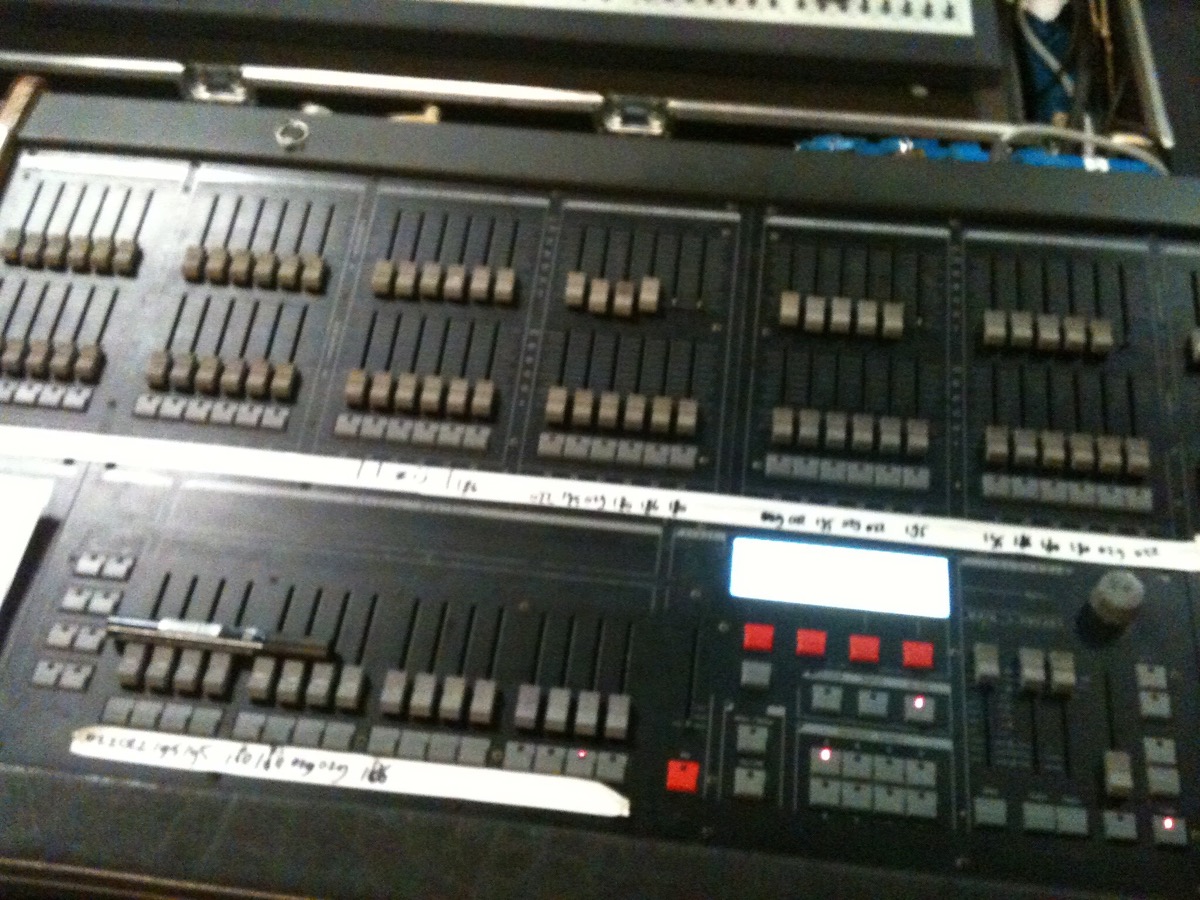
One concept deserves special attention because it quietly catches people out: tracking. On a tracking console, a value stays exactly as you set it until something explicitly changes it, so a level "tracks" forward through all the later cues. A cue-only console instead keeps each change contained to the single cue you made it in. Misunderstand which mode you are working in and your edits will ripple into places you never intended.
The discipline that holds it all together is structure before content. Build your focus, colour, and beam palettes cleanly first, then write cues that reference them. Programming that skips this — hard-coded values scattered everywhere, no palettes to lean on — works fine in a relaxed rehearsal and then falls apart the moment something has to change quickly under the pressure of a live show.
Build clean palettes before writing cues.