Power Distribution
A lighting rig draws a serious amount of current, so it is fed by three-phase power, which spreads the demand across three separate lines instead of overloading one. In Europe that typically means 400 volts measured between phases and 230 volts from any phase to neutral; in North America it is commonly 208 volts and 120 volts. The neutral conductor only carries the imbalance between the three phases, and that single fact is the whole reason load balancing matters. Spread your fixtures roughly evenly across L1, L2, and L3 and the neutral stays cool while the breakers hold. Pile everything onto one phase and you trip that breaker while two-thirds of your available capacity sits there unused.
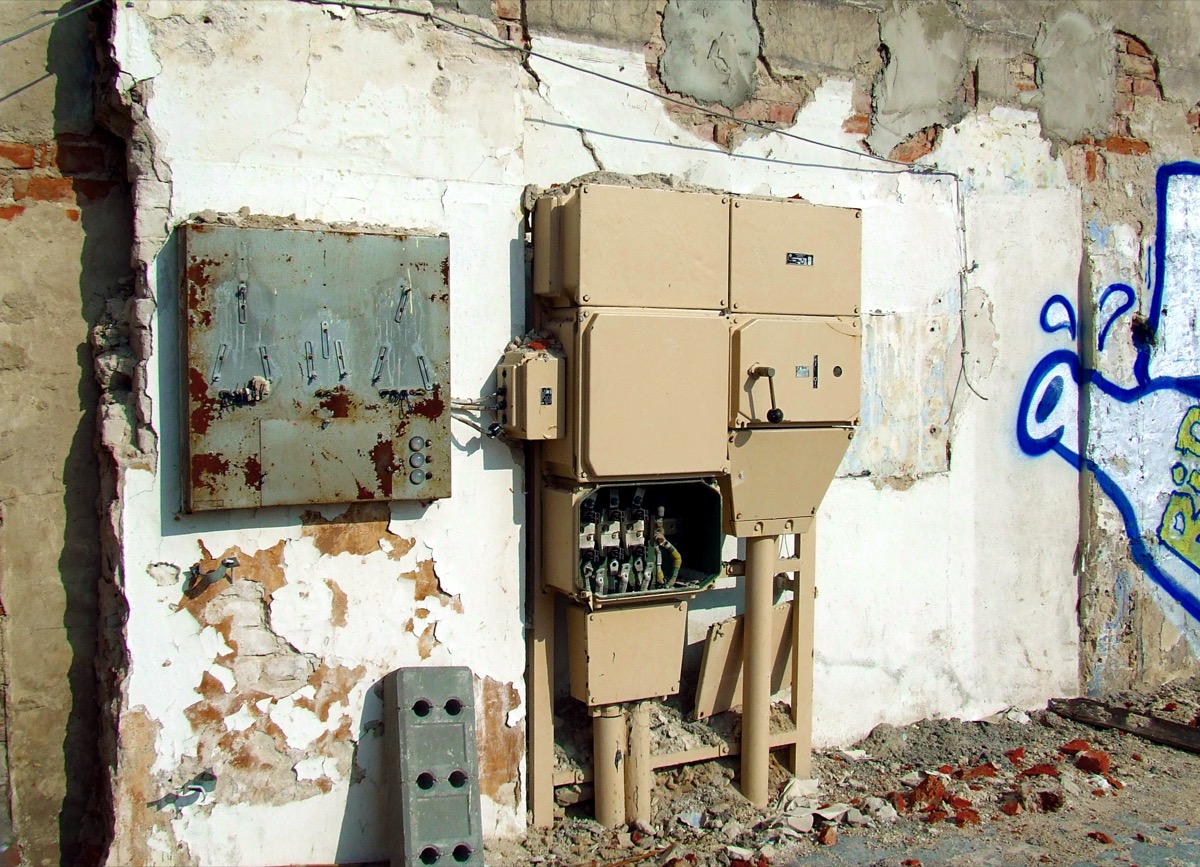
The cable that carries the full current from the supply to your distribution is the feeder, and it has to be rated for the load, with secure and correctly terminated connections. A loose high-current connection heats up, and a hot connection is a genuine fire risk rather than a theoretical one.
The order of operations is what keeps it safe: work out the load first, distribute it across the phases, confirm that your cable and breakers are rated for it, and only then power up. With three-phase motors and some distribution gear, phase rotation matters too, since it determines which way motors turn. Getting distribution wrong is not just a matter of nuisance breaker trips — it is overheating and real hazard, which is why the calculation comes before the connection.
Balance load across phases before powering anything.