Safety Protocols
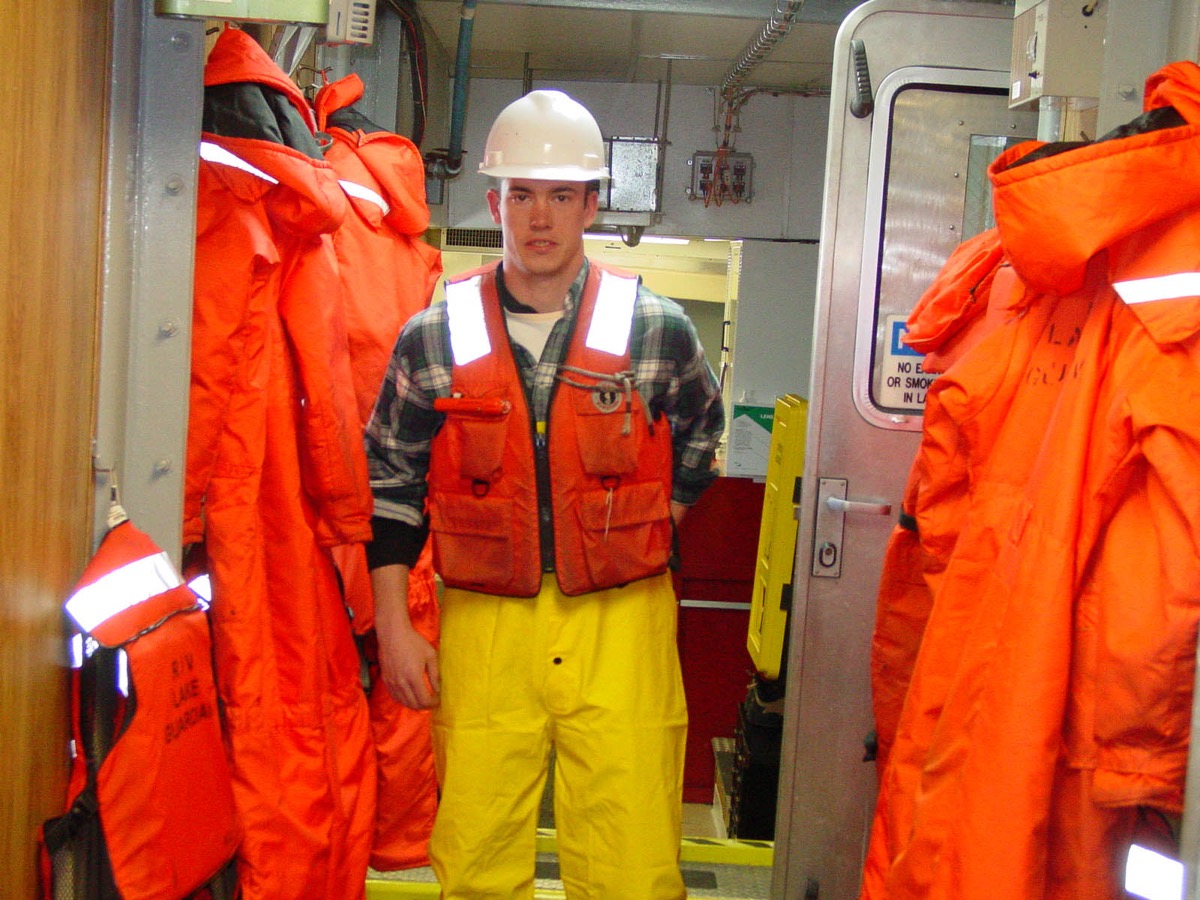
Safety protects both crew and audience, and it works through procedure rather than luck or good intentions. Personal protective equipment is matched to the task at hand: hard hats under a rig being built overhead, harnesses and fall protection for anyone working at height, hi-vis and proper footwear on a busy load-in. Most of the real thinking happens before the work even starts, in a risk assessment that identifies the hazards and a method statement that lays out how the job will be done safely.
The high-risk zones on any show are predictable, which is what makes them manageable: rigging with its overhead loads, power distribution with its risks of shock and fire, working at height, and crowd interaction. Each comes with standard controls — exclusion zones kept clear under anything being flown, lockout/tagout so a circuit cannot be re-energised while someone is working on it, trained spotters and physical barriers wherever the crowd meets the production.
Underneath all of those specifics sits something less tangible but just as important: a culture in which stopping is allowed. Schedule pressure is always real, but no cue, no deadline, and no producer's frustration is worth an injury. When something is unsafe, the right move is to stop, fix it, and then carry on — every single time, without needing to ask permission to be careful.
No show is worth an injury.