Projection Basics
A projector comes down to three characteristics: how bright it is, how its throw ratio relates distance to image size, and what its lens can do. Brightness, rated in ANSI lumens, is the one that quietly decides success or failure, because the projector is always competing against the ambient light in the room. A washed-out, milky image is almost always a question of too few lumens for the conditions rather than a focus fault. A darkened theatre may be happy with a few thousand lumens, while a bright corporate ballroom can need tens of thousands to deliver the same apparent contrast.
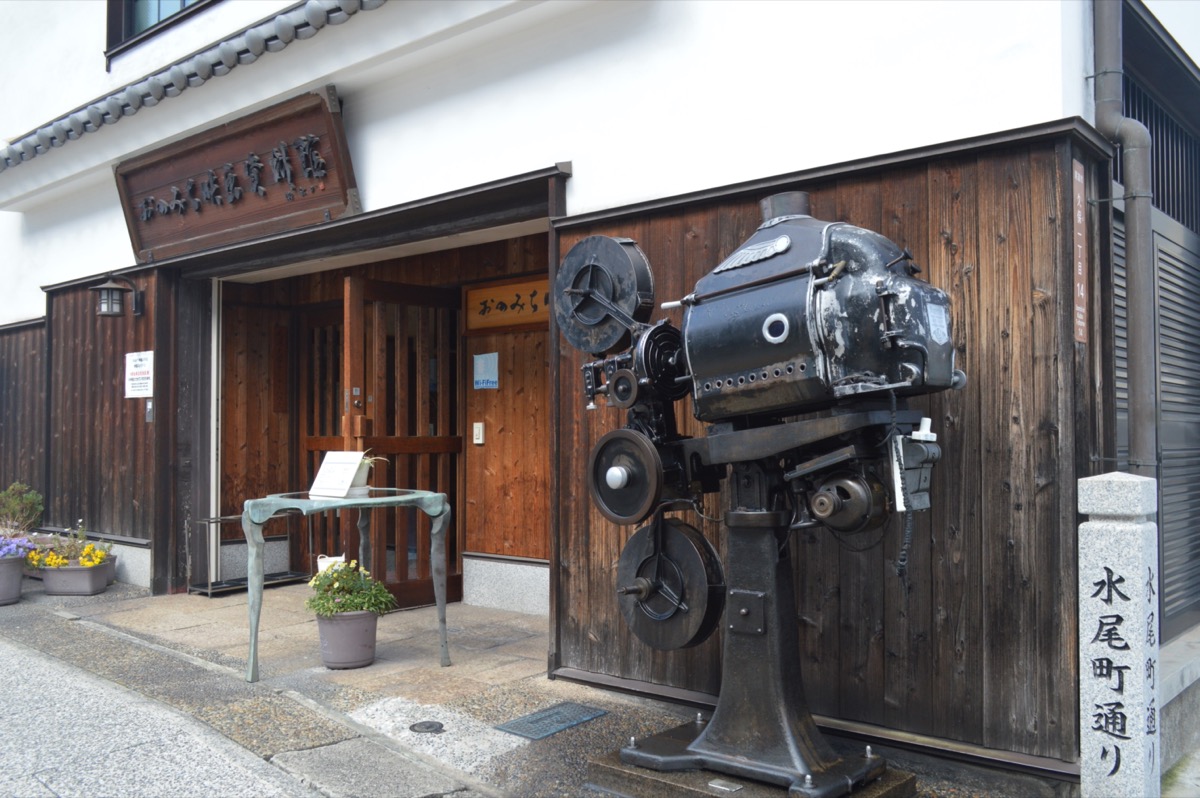
Throw ratio is the relationship between throw distance and image width. A 2.0 lens needs 20 metres of distance to fill a 10-metre-wide screen, while a 0.8 short-throw lens fits the same image into just 8 metres. Choosing a lens to suit the room is what makes a given placement possible at all, which is exactly why professional projectors take interchangeable lenses — so you can match the optics to the geometry instead of forcing the projector into the wrong spot.
Keystone correction is the tempting shortcut to avoid. When a projector is tilted rather than aimed squarely, the image becomes a trapezoid, and keystone correction digitally squeezes it back into a rectangle. But that squeeze throws away resolution and softens the edges, faking a square shape at the cost of real image quality. Aligning the projector physically — sitting it square to the screen and using lens shift rather than tilt to position the image — always produces a better result than correcting in software.
Fix projection with physics, not digital correction.