Technical Riders and Stage Plots
The technical rider and the stage plot are the two documents that let a show happen without nasty surprises, and they work as a pair. The rider is the written list of requirements: every input source and the channel it needs, the monitor and mix needs, the backline, the power and the dimensions, and any specific demands about gear. The stage plot is its visual companion — a top-down drawing showing where performers, instruments, monitors, and DI boxes sit — so the crew can pre-build the stage before anyone even arrives.
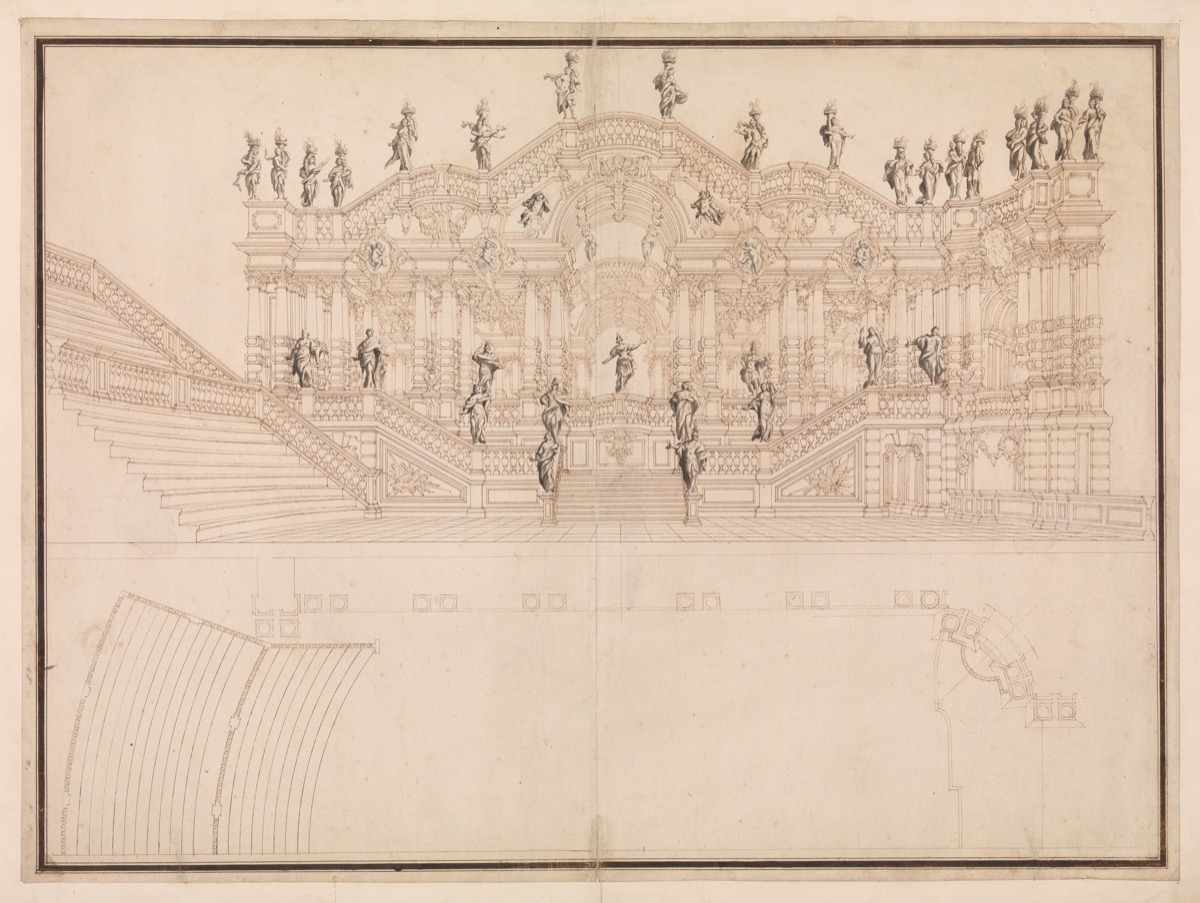
The work that quietly pays for itself is the advance: going through these documents against what the venue and the supplied system can actually deliver, well before load-in. Does the input count fit the console and the snake? Is there enough power, enough monitor mixes, enough physical space on the deck? Every mismatch you catch on paper becomes a problem solved in a calm email rather than a crisis at soundcheck with the clock running.
Riders and plots only do their job when they are current and honest, though. An out-of-date input list, or a stage plot that no longer matches the touring rig, creates exactly the delays and confusion the documents exist to prevent. So you advance everything you can and reconcile it before the trucks roll, because the cheapest place to fix a problem is always on paper.
Advance everything before load-in.