VLANs
A VLAN, defined by the IEEE 802.1Q standard, carves a single physical switch into several logical networks that cannot see one another, even though they all share the same hardware. That lets you place audio, video, lighting control, and management each into its own VLAN, so that a flood of multicast video cannot disturb the audio clock and a chatty control device cannot leak into the media path. Each VLAN is its own broadcast domain, which neatly contains the noisy broadcast and multicast traffic that would otherwise wash over every device on a flat network.
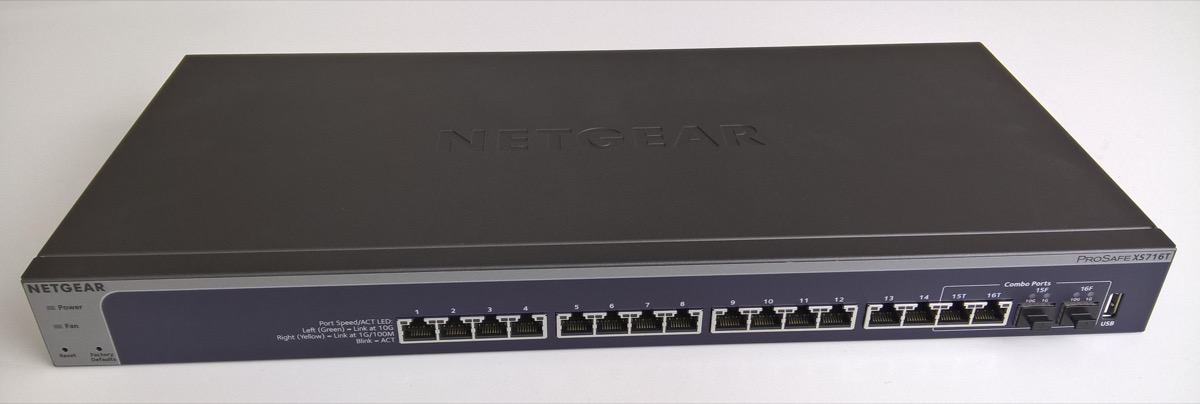
When VLANs need to travel between switches, they ride a single link called a tagged trunk. That one cable carries several VLANs at once, with each packet tagged by its VLAN ID so the switch at the far end can sort it back into the right network. Devices that belong to a single VLAN, meanwhile, connect to "access" ports that are simply assigned to it.
Done well, segmentation turns an unpredictable shared network into a set of separated, well-behaved lanes that stay out of each other's way. Skip it — put audio, video, and control all flat on one VLAN — and the different traffic types end up competing for the same space, which is the classic recipe for the intermittent, maddening-to-trace instability that haunts a busy show network.
Separate traffic or accept failure.