Crew Communication
A show is run by a team whose members mostly cannot see one another, which makes communication the connective tissue that holds the whole thing together. Wired intercom — whether partyline or matrix — gives the core positions constant, hands-free contact: the director, the stage manager, audio, lighting, video, and the spot ops all stay linked. Wireless beltpacks extend that same network to people who need to move around, and radios cover the broader mobile crew, from load-in to security to front of house. Knowing which system and which channel a given message belongs on is already half of using them well.
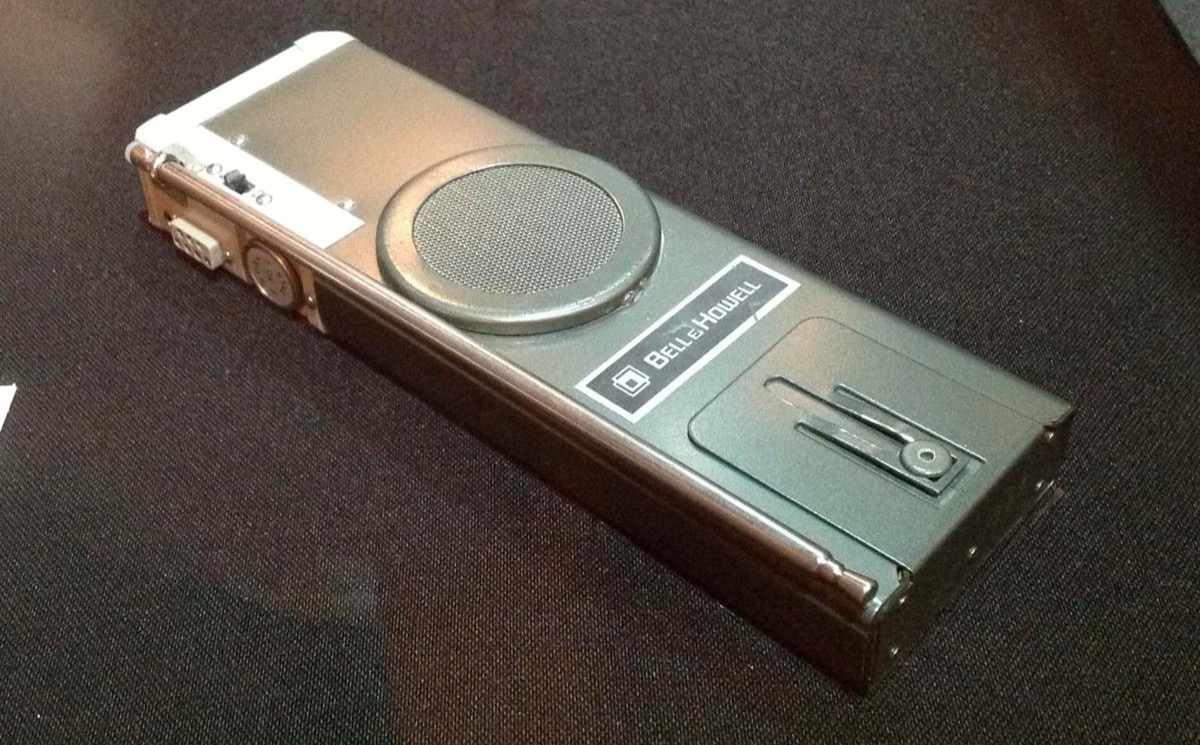
The protocol that makes comms work is discipline: keep it short, clear, and directed. You name who you are calling before the message — "Spot 2, go to the soloist" — so the right person knows to listen, you keep it brief so the channel stays open for the next call, and you acknowledge so the sender knows it landed. Channels kept clear of idle chatter are channels where the critical call cuts through at the critical moment.
Poor communication is not a minor irritation. It shows up as missed cues, crossed instructions, and — around rigging and power especially — genuine safety risk. The whole craft of it comes down to saying only what matters, saying it clearly, and making it obvious who it is for.
Say only what matters.