Electrical Safety
Electricity on a show carries three risks at once — shock to people, fire from heat, and damage to equipment — and the defences against them are layered, each guarding against a different failure. Overcurrent protection, in the form of breakers and fuses, is sized to protect the cable itself, tripping before the conductor can overheat. That is precisely why you never solve nuisance tripping by fitting a bigger breaker: you would be removing the protection the cable depends on. Grounding, or earthing, gives fault current a safe path back to source, and it is what actually makes a breaker trip rather than leaving a metal chassis sitting there live and waiting. Ground-fault protection — a GFCI in North America, an RCD in Europe — watches for current leaking to ground and cuts power within milliseconds, which makes it essential anywhere near water, weather, or performers in direct contact with equipment.
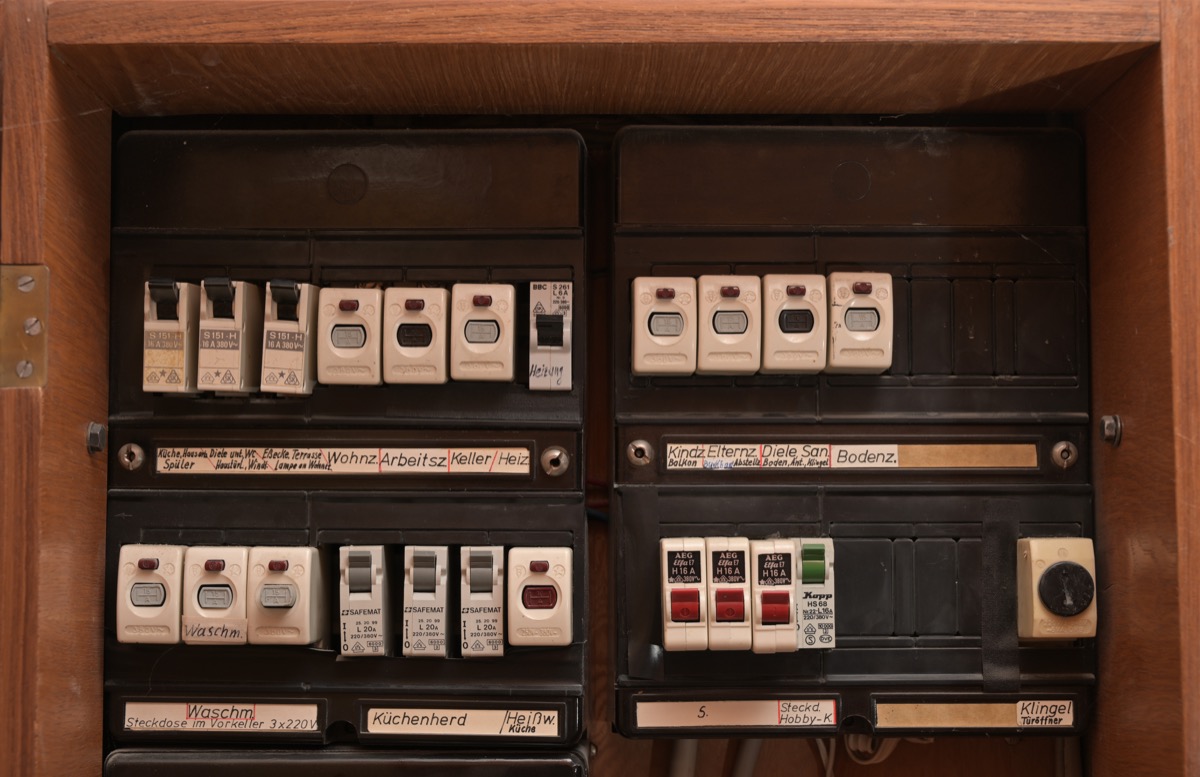
Load discipline, underneath the hardware, is just honest arithmetic. Keep the connected load comfortably below the circuit's rating, leaving margin for the inrush when things switch on and for the extra fixture that inevitably gets added later. A circuit run continuously is generally loaded to no more than about 80 percent of its rating, precisely to hold that margin.
Connections themselves must be secure and rated for the current they carry, because a loose or undersized connection is the single most common source of heat and failure on a rig. And the habit that ties all of this together is simple: when you are genuinely unsure about a power question, you stop and verify before you proceed, because the consequences here arrive immediately and without warning.
If you're unsure about power, stop and verify.