Redundancy and Backups
Live production has no second take, so the professional habit is to assume things will fail and to make sure no single failure can stop the show. That begins with finding the single points of failure — the one cable, the one power feed, the one device that everything else depends on — and then deciding which of them are worth protecting. Not everything needs a backup, but anything whose failure would stop the show usually earns one.
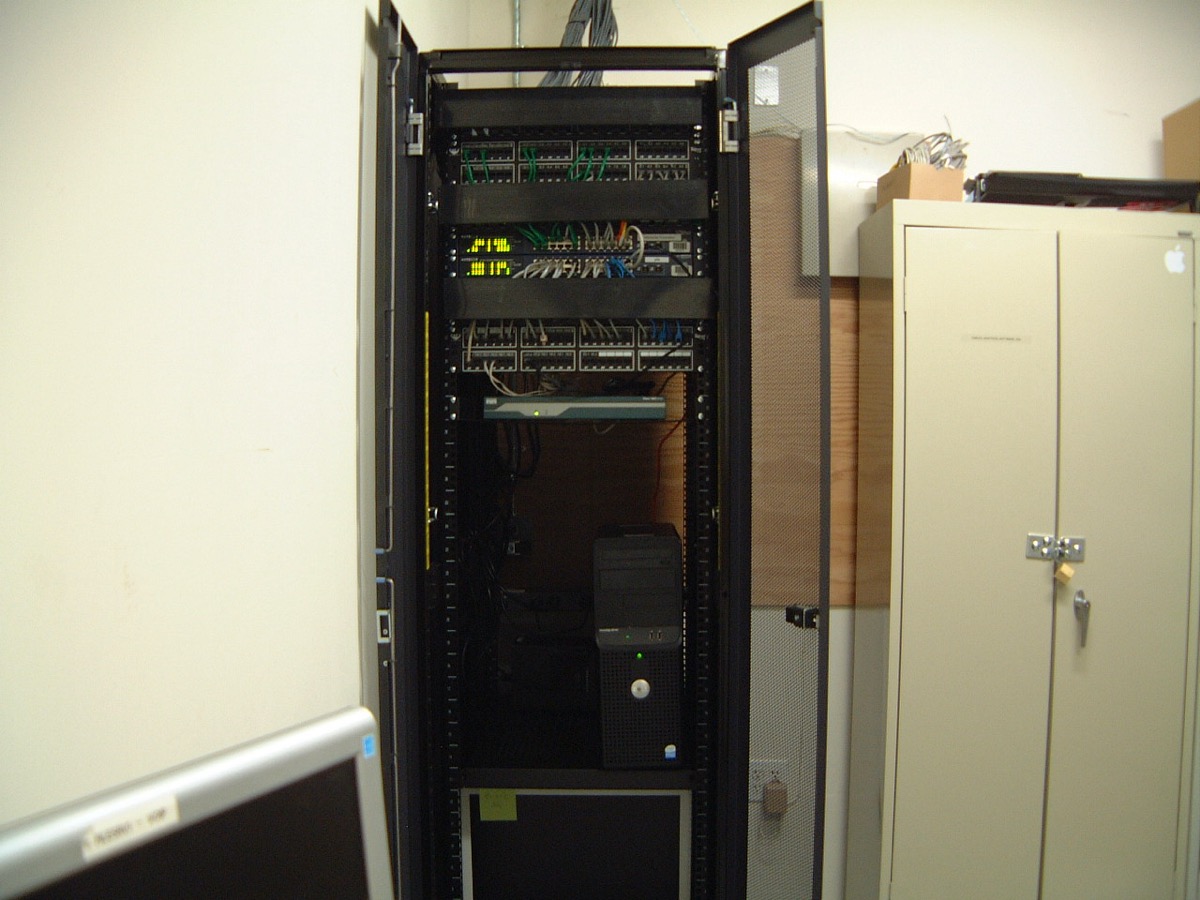
Redundancy takes different shapes at different layers. Power can be doubled up, with dual supplies fed from separate circuits, so losing one feed does not bring the rig down. Networks can run primary and secondary paths — Dante's redundant mode, for example, sends the audio over two physically separate networks at once, so a switch or cable failure on one side is completely inaudible because the other is already carrying the identical audio. Critical devices like consoles and clocks can have a backup standing ready to take over, either warm, meaning a manual switch with a brief gap, or seamless, meaning a mirrored unit that assumes control with no interruption at all.
Underneath all the hardware sits the simplest and cheapest insurance of the lot: backing up the show files. A lighting console's show, a media server's content and cue stack, a mixer's scene file — each copied to a second medium and kept current — turns a catastrophic failure into a quick reload instead of a frantic rebuild from memory under pressure. The discipline is the same at every level: work out what would actually end the show, and then make sure that no single thing can.
Plan for the failure you can't afford — then it can't end the show.