Signal Flow
Underneath every audio system, no matter how intimidating the rack looks, there is the same simple path: source, preamp, processing, routing buses, amplifier, loudspeaker. A busker's two-channel rig and a festival's main PA follow that order identically — what changes is the amount of gear at each step, not the sequence.
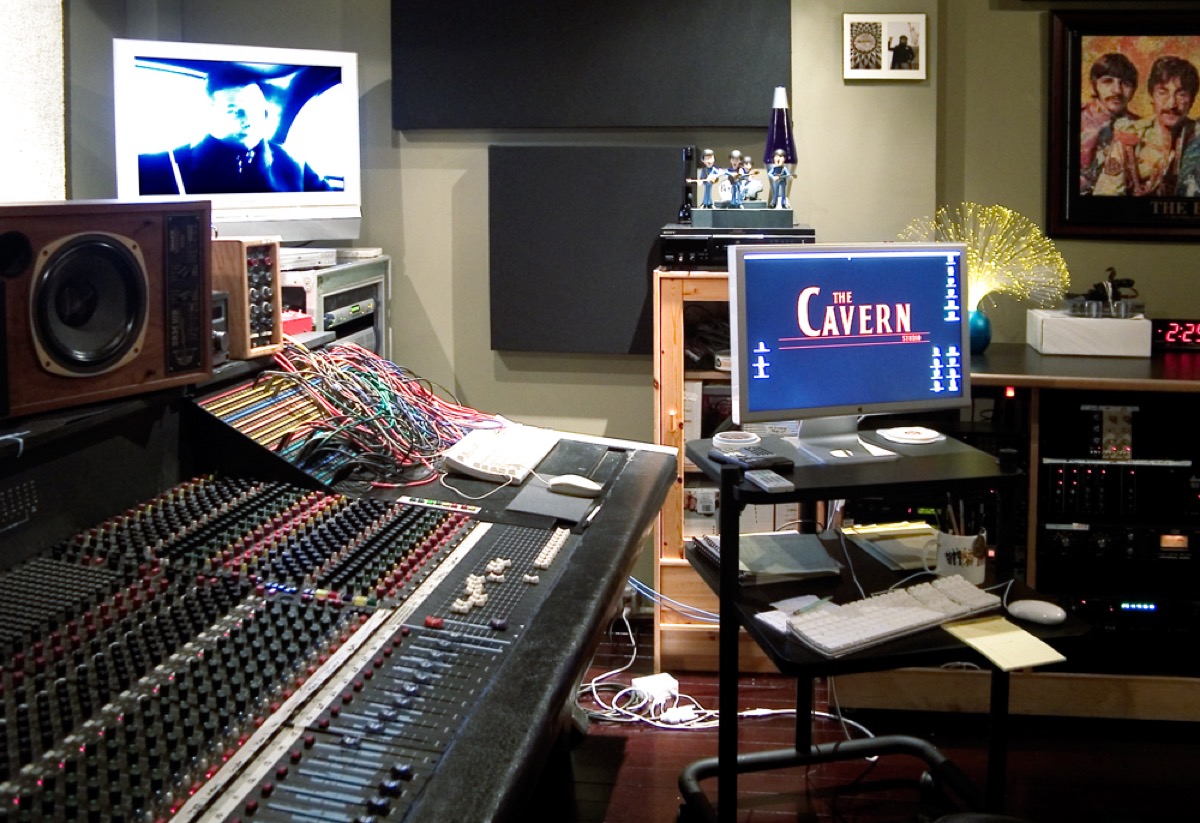
It helps to think of each stage as having one clear job. The source produces the signal. The preamp lifts a quiet mic-level signal up to a healthy line level so the rest of the system has something solid to work with. The processing shapes it. The buses combine and distribute it to where it needs to go. The amplifier raises it to the power a speaker needs, and the speaker turns it back into sound in the air. If any one of those links is broken or wired to the wrong place, you get silence, the wrong signal, or an unexpected duplicate.
This is also the reason troubleshooting does not have to be guesswork. When something is missing, you follow the chain from input to output and look for the first point where the signal disappears — checking meters stage by stage until the trail goes cold. Engineers who carry this map in their heads fix in seconds what others lose a whole soundcheck chasing.
Always trace signal from input to output — never assume.