Mixing for Clarity
A mix sounds clear when every element has a space of its own to live in, and muddy when several of them are crowded into the same space fighting for attention. The mechanism behind that is masking: when two sources share a frequency band, the louder one hides the quieter. Bass guitar and kick drum collide in the low end; vocals and electric guitars collide in the midrange. The instinct is to turn the buried element up, but that just makes the whole mix louder and the masking returns — clarity comes from separation, not volume.
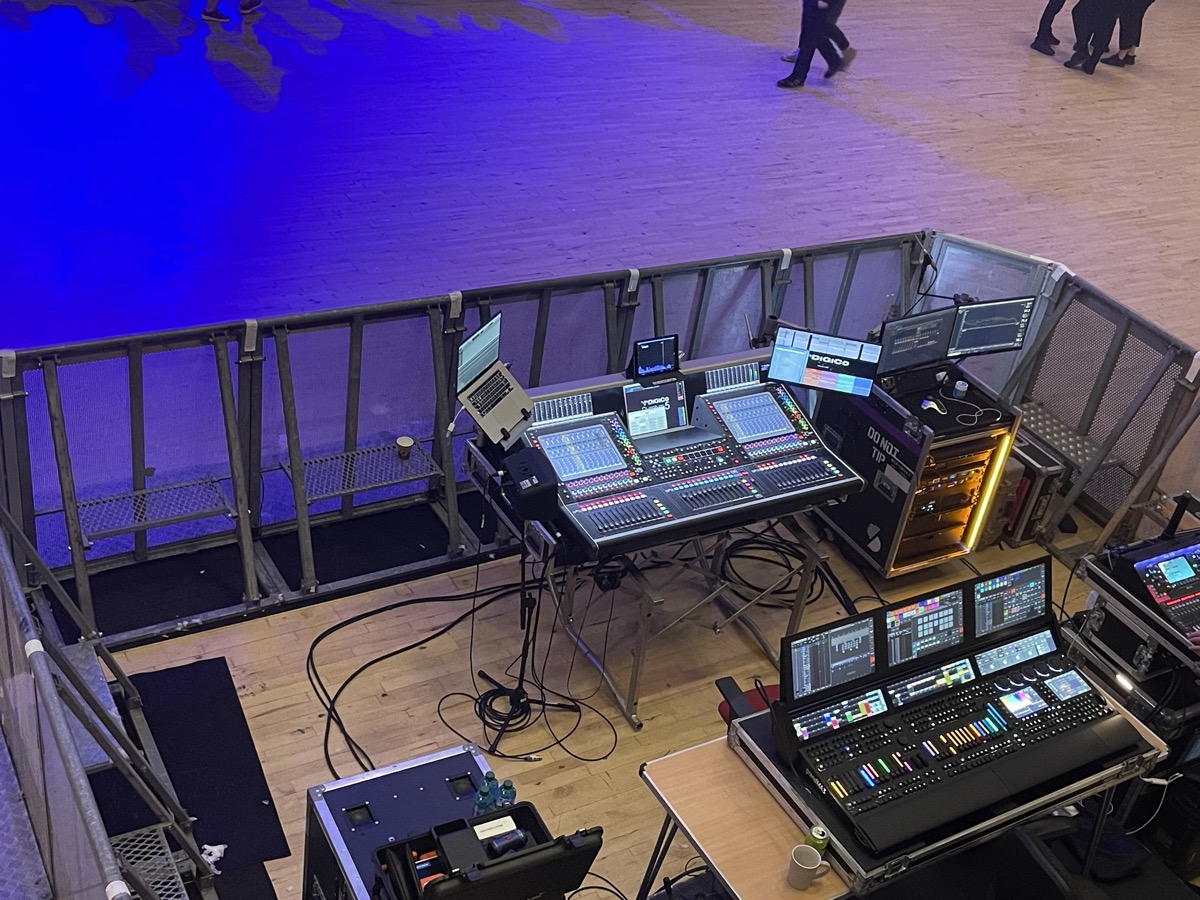
EQ is your main carving tool. A high-pass filter rolls off the low-frequency energy from sources that do not need it — vocals, hi-hats, acoustic guitars — so they stop muddying the bottom of the mix, and a narrow cut makes room where two sources are colliding. Panning gives you a second dimension entirely: spread sources across the stereo field and two things that fought when stacked in the centre can coexist happily once they are in different places. Level then sets the hierarchy, with the vocal and the rhythmic anchor up front and everything else supporting underneath.
So the order of operations matters. Reach for the fader first and you chase your tail; create the space first — with filtering, EQ, and panning — and then set the level, and the mix opens up on its own.
Space creates clarity, not loudness.