Network Troubleshooting
Network faults are best diagnosed in layers, working up from the wire. Start with the physical link: is the port lit, the cable sound, the switch powered? Then move to addressing: are the devices on the same subnet with the correct mask, and free of duplicate IPs? Then check reachability — a ping confirms a device answers, and a clean continuous ping that suddenly starts showing gaps points you straight at the trouble. Then look at quality: packet loss tracks sustained congestion — an oversubscribed link — while jitter, the variation in packet timing, tracks the transient kind, and it is jitter that wrecks real-time media even when nothing is technically "down."
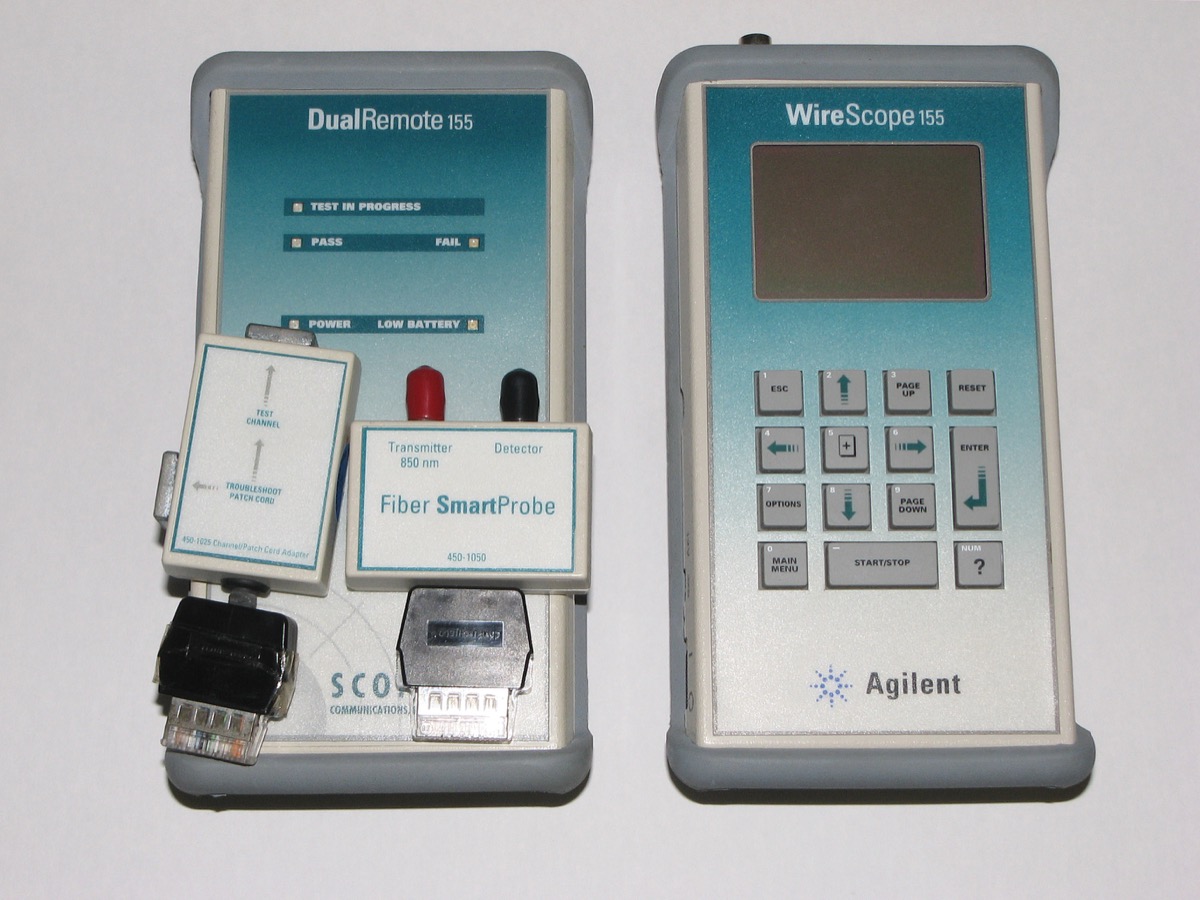
The method that holds all of this together is structured isolation. Verify the configuration, test connectivity from end to end, and then narrow the fault by halving the path — swap a cable, bypass a switch, move a device — until the failing element stands alone. Swapping parts at random, by contrast, burns through the one resource a show never has enough of, which is time.
AV networks are unforgiving in a way ordinary office networks are not, because they run in real time. A file transfer shrugs off a little packet loss and quietly retries; audio and video have no time to retry. A few lost packets become an audible click or a frozen frame, which is the blunt reality behind treating packet loss as show loss.
Packet loss equals show loss.